
Foundation repair in Savannah, GA addresses the cracks, settling, and movement caused by our region’s expansive clay soils, high water table, and heavy rainfall — and the right fix depends on what’s failing underneath your home. At Solid Foundation Repair of Savannah, we’ve stabilized Lowcountry homes since 1989, from historic downtown row houses to slab-built homes out on the islands.
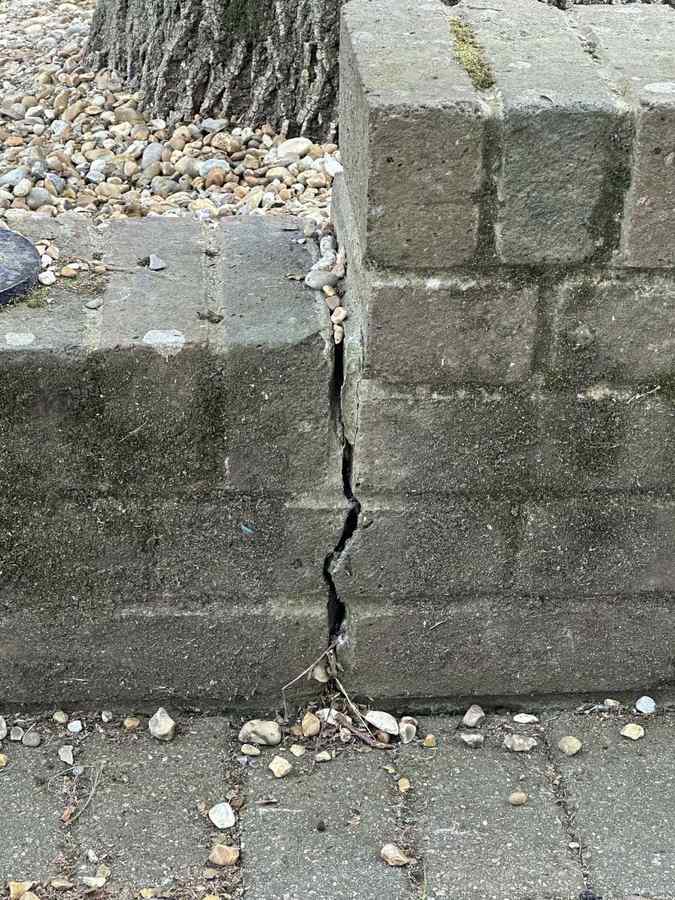
This guide walks you through why Savannah foundations fail, the warning signs to watch for, the repair methods that actually work in coastal Georgia soil, and what the process looks like from inspection to completion.
Why Savannah Homes Are Prone to Foundation Problems
Savannah sits in the coastal plain, and our soil and climate create a near-perfect storm for foundation movement. Three factors stand out:
- Expansive clay soil: Lowcountry clay swells when wet and shrinks when dry. That constant expand-and-contract cycle pushes and pulls on footings year-round.
- Heavy rainfall: Savannah typically sees well over 45 inches of rain annually, saturating soil and eroding support beneath foundations.
- High water table: Close to the coast and the rivers, groundwater sits shallow. That keeps soil soft and prone to shifting, especially after storms or tidal flooding.
Add in the age of many local homes — pier-and-beam construction downtown, decades-old slabs in the suburbs — and movement becomes a question of when, not if. Our guide to Savannah soil and foundation problems covers the geology in more depth.
Warning Signs Your Foundation Needs Attention
Foundation issues rarely appear overnight. They show up as small, telltale clues that get worse over time. Watch for:
- Stair-step cracks in brick or block walls
- Diagonal cracks running from window and door corners
- Doors and windows that stick or won’t latch
- Sloping, bouncy, or uneven floors
- Gaps between walls, ceilings, and crown molding
- Cracks in slab floors or separating tile
- Chimneys pulling away from the house
Not every crack is structural. Learning to tell cosmetic from serious is key — see our breakdowns on signs your foundation needs repair, foundation crack types, and how to know if your foundation needs repair.
What Causes Foundation Failure in Coastal Georgia
Most local foundation problems trace back to the soil beneath the home. Common causes include:
- Soil shrink-swell: Clay expands after rain and contracts in drought, lifting and dropping sections of the foundation unevenly.
- Erosion and washout: Poor drainage and heavy rain carry away supporting soil, leaving voids under slabs.
- Consolidation settling: Soft, organic, or poorly compacted fill compresses under the home’s weight over time.
- Plumbing leaks: Slow leaks saturate one area, softening soil and causing localized settling.
Where voids form under a slab, we often pair structural repair with void filling and soil stabilization to address the root cause, not just the symptom.
Foundation Repair Methods That Work Here
There’s no single fix for every home. The right method depends on soil conditions, foundation type, and how deep stable load-bearing strata sit. Here are the core approaches we use across the Savannah area.
Pier Systems for Settling Foundations
Piers transfer your home’s weight down to stable soil or bedrock. The main options:
- Steel push piers — driven deep using the home’s weight, ideal for heavier structures.
- Helical piers — screwed into the ground, well-suited to lighter loads and softer coastal soils.
- Slab piers and injection piers — designed for stabilizing concrete slab foundations.
- Pre-construction piers — installed before building on questionable soil.
Slab, Leveling, and Specialty Repairs
Beyond piers, we handle the full range of structural needs, including concrete slab foundation repair, whole-home house leveling, pier and beam foundation repair, and polyurethane foam injection for lifting sunken concrete. For coastal and waterfront properties, we also offer seawall repair, retaining wall repair, pool stabilization, and sinkhole remediation. Choosing among them is something we walk every homeowner through — our overview of which method is best for your home can help you prepare.
What Foundation Repair Costs in Savannah
Cost varies widely based on the cause, the method, the number of piers, and access to the work area. Minor crack repairs typically run a few hundred dollars, while a full pier-and-stabilization project on a settling home can reach into the tens of thousands. Most homeowners fall somewhere in between.
Rather than guess, get a real number tied to your home. We break down pricing factors in our Savannah foundation repair cost guide, and many homeowners ask whether their policy helps — see is foundation repair covered by homeowners insurance. Repairs done right also protect resale value; here’s how foundation repair affects home value.
How to Choose a Foundation Repair Contractor
This is structural work on your largest investment, so vetting matters. Look for a local company with a long track record, transparent estimates, and engineered solutions backed by warranty. Ask the right questions — our guide on questions to ask a foundation repair company gives you a checklist. You can also learn about our team, in business locally since 1989.
The Foundation Repair Process: What to Expect
A typical project follows a predictable path:
- Inspection: We assess the structure, measure elevations, and identify the cause. Here’s what happens during a foundation inspection.
- Engineered plan: We recommend the right method and provide a written, itemized estimate.
- Installation: Crews install piers or perform the repair, usually with minimal disruption.
- Lift and stabilization: Where possible, we recover lost elevation and lock the structure in place.
- Cleanup and warranty: We restore the site and document the work.
For a deeper walkthrough, read the foundation repair process explained and how long foundation repair takes. We post project footage on our YouTube channel so you can see the work firsthand.
What Savannah Homeowners Should Do Next
Foundation Repair in Savannah, GA: The Complete Homeowner’s Guide is only useful when you read it against the local conditions that drive foundation movement in coastal Georgia. In Savannah, the same crack, slope, or sticking door can come from drainage, expansive clay, plumbing leaks, old fill, or long-term settlement. The right next step is to connect the visible symptom to the pattern around it instead of guessing from one photo or one room.
Start by documenting where the issue appears, whether it changes after heavy rain or dry weather, and whether nearby rooms show the same problem. If the movement is repeated, widening, or showing up across more than one area, the safest move is a professional inspection. That gives you elevation measurements, a cause-based diagnosis, and a repair plan that matches the home instead of forcing a one-size-fits-all answer.
- Check gutters, downspouts, and grading before assuming the structure is failing.
- Look for repeat movement after storms, not just one-time cosmetic settling.
- Take dated photos so you can compare cracks, gaps, and floor slope over time.
- Compare crawl space, slab, and exterior conditions before choosing a fix.
- Match the repair to the cause, not just the symptom you can see.
That approach keeps the work focused and usually saves money because you avoid paying for the wrong repair method. It also makes it easier to decide whether the solution is house leveling, pier installation, slab repair, soil stabilization, or a smaller corrective step. If you want a second opinion, review our related service pages and then contact Solid Foundation Repair of Savannah for a free inspection. The goal is a repair plan that fits the house, the soil, and the conditions specific to your neighborhood.
We have worked Savannah homes since 1989, so we are used to the local pattern: clay that swells after rain, soil that shrinks in dry spells, and structures that show the damage gradually. If you can describe the pattern clearly, the inspection is faster, the estimate is more accurate, and the repair has a better chance of holding up long term.
Worried About Your Foundation? Get a Free Inspection
Call Solid Foundation Repair of Savannah at (912) 642-3890 to schedule your free, no-obligation foundation inspection from a team that’s served the Lowcountry since 1989.
Frequently Asked Questions
How do I know if my foundation problem is serious?
Hairline cracks in drywall are often cosmetic, but stair-step cracks in masonry, sticking doors, and sloping floors usually point to structural movement. The safest move is a professional inspection. We measure floor elevations and trace the cause before recommending anything.
How long does foundation repair take in Savannah?
Most residential projects take a few days to a week, depending on the number of piers and site access. Smaller crack or slab repairs can finish in a day. Weather and soil conditions in our coastal area can affect timing slightly.
Is foundation repair covered by homeowners insurance?
It depends on the cause. Damage from a sudden, covered event like a burst pipe may be covered, while gradual settling from soil movement typically is not. Review your policy and ask your agent. We can document the cause to support any claim.
Why are foundation problems so common in Savannah?
Our expansive clay soils, high water table, and heavy rainfall create constant ground movement. Many local homes are also older. Together, these factors make foundation settling and cracking far more common here than in drier inland regions.
Can foundation repair be done on historic downtown homes?
Yes. Many of Savannah’s historic homes use pier-and-beam construction, which we repair and re-level regularly. We tailor methods to preserve the structure while restoring stability, working carefully around older materials and finishes.
Do you offer free inspections?
Yes. We provide free, no-obligation foundation inspections throughout the Savannah area. Our team evaluates the issue, explains the cause in plain terms, and gives you a written estimate. Call (912) 642-3890 to schedule.
Do you handle commercial properties too?
We do. Alongside residential work, we provide commercial foundation repair for businesses, warehouses, and multi-unit buildings across the region using the same engineered pier and stabilization systems.
Serving Savannah and the Surrounding Lowcountry
From our home base in Savannah, we serve homeowners across the coast, including Richmond Hill, Wilmington Island, Garden City, Whitemarsh Island, and Brunswick. Explore all our service areas, browse our full library of foundation guides, or contact us to get started. Follow along on Facebook for updates and project photos.
Quick Summary
Foundation repair in Savannah, GA addresses cracks, settling, and structural movement caused by expansive clay soils, a high water table, and annual rainfall exceeding 45 inches — and the correct method depends on what is failing beneath the home. Warning signs include stair-step cracks in brick, diagonal cracks from door corners, sticking doors, sloping floors, and wall-to-ceiling gaps — all warranting professional assessment before damage progresses. Solid Foundation Repair of Savannah has stabilized Lowcountry homes since 1989.