
What foundation repair method is best for your home in Savannah, GA? The answer depends on three deciding factors: your foundation type (slab vs. pier-and-beam vs. crawl space), the soil conditions under your lot, and the nature of the damage (settlement, heaving, or voids). On Savannah’s coastal plain, expansive clay, a high water table, and sandy fill mean there is no single “best” method — the right repair is the one matched to why your foundation moved. At Solid Foundation Repair of Savannah, we’ve installed every major system since 1989, and the honest answer is that diagnosis must come before the sales pitch.
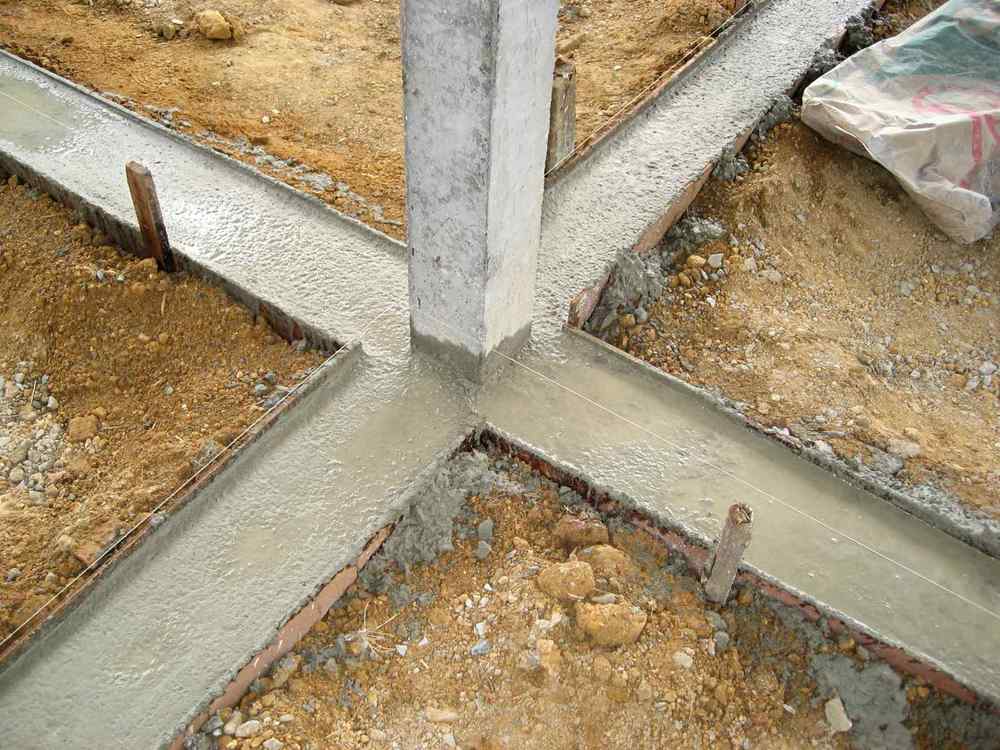
Why Savannah Soil Changes the Repair Equation
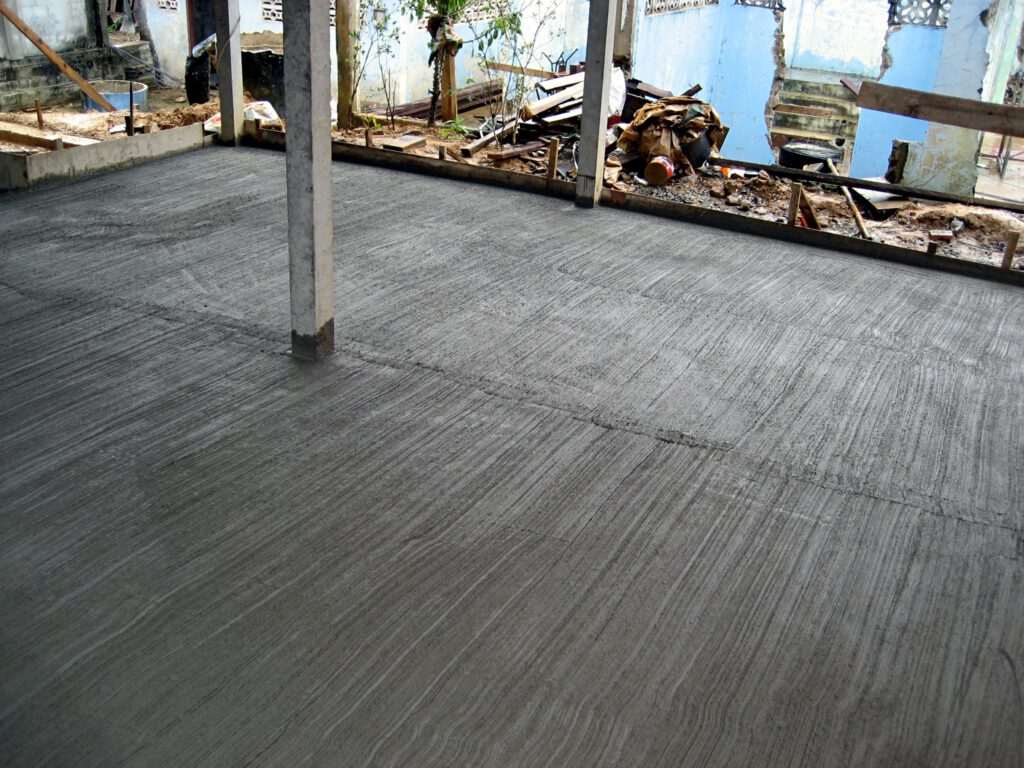
Coastal Georgia sits on a mix of expansive clay, organic silt, and sandy loam over a notoriously high water table. That combination drives most of the foundation movement we see across Chatham County.
- Expansive clay swells when saturated during summer storms and shrinks during drought, lifting and dropping foundations seasonally.
- High water table near the marsh and rivers softens shallow bearing soils and washes out fines, creating voids beneath slabs.
- Sandy and fill soils in newer subdivisions consolidate over time, causing slow differential settlement.
Because the cause differs from lot to lot, the same crack on two homes can call for two completely different repairs. Read more about local conditions in our Savannah soil and foundation problems guide.
Push Piers: For Heavy Homes Settling on Weak Soil
Steel push piers are hydraulically driven straight down through unstable soil until they reach a load-bearing stratum or refusal. The full weight of the structure provides the resistance that drives them, so they work best on heavier homes — brick veneer, two-story, or masonry construction.
Best when: a heavy home has settled and you need to reach deep, competent soil. Limitations: light structures may not generate enough weight to drive the piers to capacity. See our steel push pier installation page for details on depth and load testing.
Helical Piers: For Lighter Loads and New Construction
Helical piers are screwed into the ground like a giant earth anchor, and their capacity is verified by installation torque rather than structure weight. That makes them ideal where push piers can’t generate enough resistance.
Best when: lighter structures, additions, porches, or new builds where you want depth without relying on building weight. They also shine in pre-construction pier installation before a slab is even poured. Learn more on our helical pier installation page.
Slab Piers and Interior Settlement
When a concrete slab settles in the middle of the home — not just at the perimeter — interior slab pier installation drives support piers through the floor to stabilize and, where possible, lift the affected area. This is common in older Savannah slab-on-grade homes where interior loads have outpaced the perimeter.
Slab vs. Pier-and-Beam: A Different Playbook
Slab foundations and raised pier-and-beam foundations fail differently. Slabs crack and tilt as a unit; pier-and-beam homes sag at individual piers and beams. The latter often calls for house leveling by shimming, re-supporting, or replacing failed wood and masonry piers — a method that simply doesn’t apply to a monolithic slab. For slab-specific work, see our concrete slab foundation repair service.
Polyurethane Foam and Void Filling
Polyurethane foam injection is the right tool for a specific problem: a slab that has settled because soil washed out or consolidated underneath it, leaving voids. The foam is injected through dime-sized holes, expands, fills the void, and can raise the slab back toward level.
- Best for: sunken driveways, garage floors, patios, pool decks, and slabs over voids — not for deep structural settlement.
- Not a substitute for piers when the bearing soil itself has failed at depth.
See polyurethane foam injection and void filling for where foam excels — and where it doesn’t.
Soil Stabilization and Specialty Repairs
Sometimes the soil itself must be treated rather than bypassed. Soil stabilization uses injection methods to strengthen weak or expansive ground, which is valuable on Savannah’s clay-heavy lots. Coastal properties may also need seawall repair, retaining wall repair, pool stabilization, or sinkhole remediation when erosion and water are the root cause. Commercial structures have their own load and code considerations covered under commercial foundation repair.
How to Choose: A Practical Comparison
- Deep settlement, heavy home → push piers.
- Deep settlement, light structure or new build → helical piers.
- Interior slab settling → slab piers.
- Sunken slab over a void, no deep soil failure → polyurethane foam / void filling.
- Sagging raised floor → house leveling / pier-and-beam repair.
- Weak or expansive soil as the root cause → soil stabilization, often combined with piers.
The only way to know which row your home falls into is an on-site inspection that measures elevations, checks soil, and identifies the actual cause of movement. Walk through what that looks like in what happens during a foundation inspection.
What Savannah Homeowners Should Do Next
What Foundation Repair Method Is Best for My Home in Savannah, GA? is only useful when you read it against the local conditions that drive foundation movement in coastal Georgia. In Savannah, the same crack, slope, or sticking door can come from drainage, expansive clay, plumbing leaks, old fill, or long-term settlement. The right next step is to connect the visible symptom to the pattern around it instead of guessing from one photo or one room.
Start by documenting where the issue appears, whether it changes after heavy rain or dry weather, and whether nearby rooms show the same problem. If the movement is repeated, widening, or showing up across more than one area, the safest move is a professional inspection. That gives you elevation measurements, a cause-based diagnosis, and a repair plan that matches the home instead of forcing a one-size-fits-all answer.
- Check gutters, downspouts, and grading before assuming the structure is failing.
- Look for repeat movement after storms, not just one-time cosmetic settling.
- Take dated photos so you can compare cracks, gaps, and floor slope over time.
- Compare crawl space, slab, and exterior conditions before choosing a fix.
- Match the repair to the cause, not just the symptom you can see.
That approach keeps the work focused and usually saves money because you avoid paying for the wrong repair method. It also makes it easier to decide whether the solution is house leveling, pier installation, slab repair, soil stabilization, or a smaller corrective step. If you want a second opinion, review our related service pages and then contact Solid Foundation Repair of Savannah for a free inspection. The goal is a repair plan that fits the house, the soil, and the conditions specific to your neighborhood.
We have worked Savannah homes since 1989, so we are used to the local pattern: clay that swells after rain, soil that shrinks in dry spells, and structures that show the damage gradually. If you can describe the pattern clearly, the inspection is faster, the estimate is more accurate, and the repair has a better chance of holding up long term.
Not Sure Which Method Your Home Needs?
Call Solid Foundation Repair of Savannah at (912) 642-3890 for a free inspection — we’ll diagnose the cause first and recommend the right repair, not the most expensive one.
Frequently Asked Questions
What Foundation Repair Method Is Most Common in Savannah?
There isn’t one default method — it depends on soil and damage. That said, steel push piers and helical piers handle most structural settlement, while polyurethane foam addresses sunken slabs over voids. Our Savannah foundation repair guide breaks down each option.
How do I know if my foundation actually needs repair?
Watch for stair-step cracks in brick, doors that stick, sloping floors, and gaps around windows. Our checklist on signs your foundation needs repair and how to know if your foundation needs repair can help you decide whether to schedule an inspection.
Are push piers or helical piers better for my home?
Push piers rely on the home’s weight to drive them, so they suit heavier masonry homes. Helical piers are torque-driven and better for lighter structures, additions, and new construction. The correct choice comes down to load and soil at your specific lot.
Will polyurethane foam fix a settling foundation?
Foam is excellent for filling voids and raising slabs that sank because soil washed out, but it does not reach deep bearing soil. If the underlying ground has failed at depth, you need piers, not foam.
How much does foundation repair cost in Savannah?
Cost varies widely with method, depth, and the number of piers or square footage involved, so ranges only become meaningful after an inspection. See foundation repair cost in Savannah for what drives the price.
Do you serve areas outside the city of Savannah?
Yes. We work throughout the region, including Richmond Hill, Wilmington Island, Garden City, Whitemarsh Island, and Brunswick. See all our service areas.
Is foundation repair covered by homeowners insurance?
It depends on the cause of damage; gradual settlement from soil movement is usually excluded, while sudden covered events may qualify. Our breakdown on insurance and foundation repair explains the distinctions.
Solid Foundation Repair of Savannah has matched the right method to Savannah-area homes since 1989. See real local projects on our Instagram and connect with us on Facebook, or learn more about us and get in touch when you’re ready for a free inspection.
Quick Summary
The best foundation repair method for a Savannah home depends on foundation type, site soil conditions, and the nature of the damage. Steel push piers work best for heavier homes settling on weak soil — the structure’s own weight drives them to load-bearing stratum — while helical piers suit lighter loads and new construction on soft Lowcountry soils. Solid Foundation Repair of Savannah has installed every major repair system since 1989 and emphasizes that accurate diagnosis of why a foundation moved must precede method selection.