
Savannah soil foundation problems stem from a volatile mix of expansive coastal clay, a high water table, and sandy fill that shifts beneath your home with every wet and dry cycle. In coastal Chatham County, the ground under your foundation is rarely stable bedrock. It is reactive, water-sensitive earth that swells, shrinks, and settles in ways that crack slabs and tilt pier-and-beam structures.
Table of Contents
At Solid Foundation Repair of Savannah, we have been diagnosing and correcting these soil-driven failures since 1989. Below is exactly why our local geology causes foundation trouble and what you can do about it.
The Expansive Clay Problem in Coastal Georgia
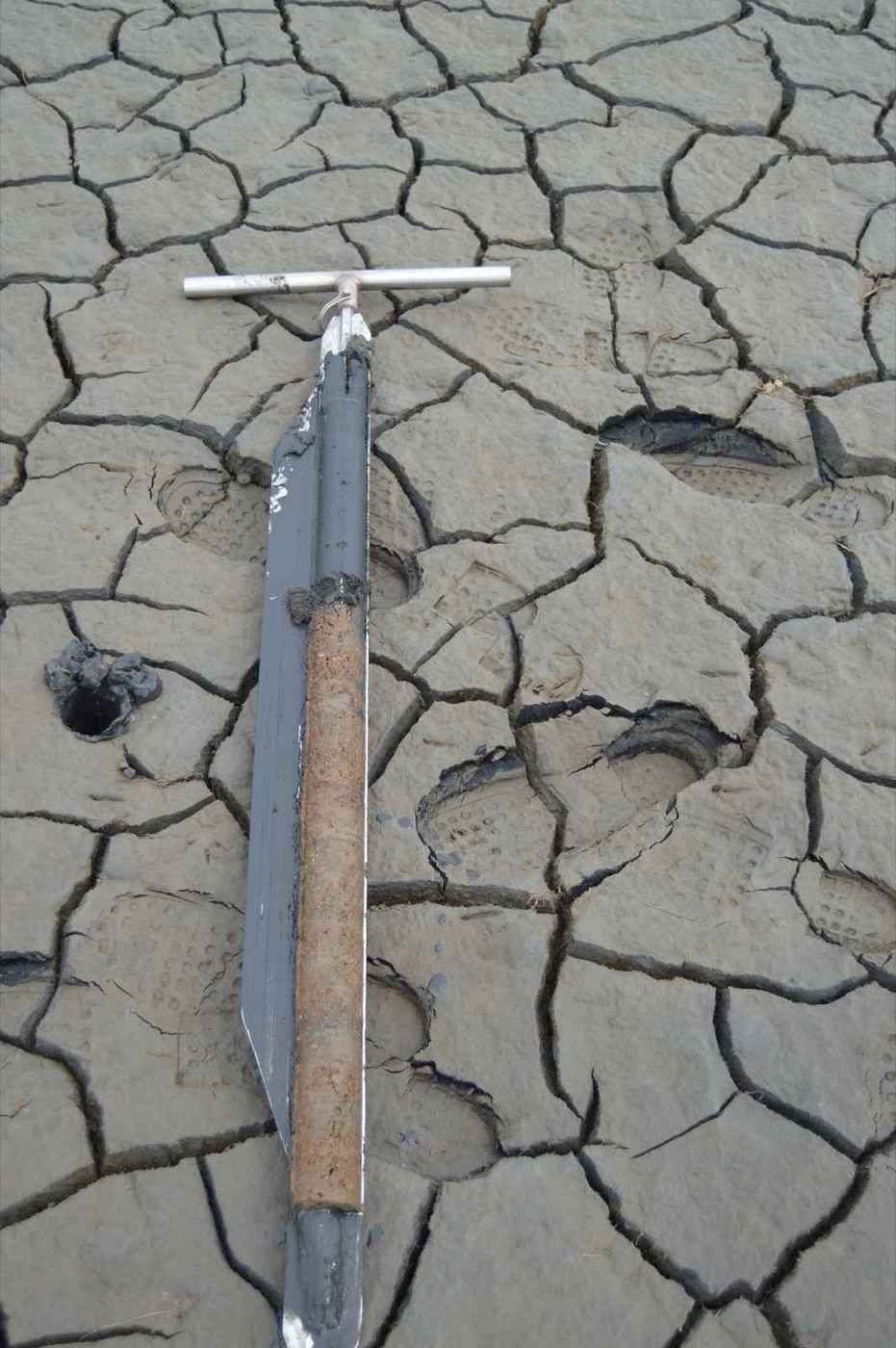
The single biggest culprit behind Savannah foundation movement is expansive clay. These fine-grained soils contain minerals that absorb water and swell, then release water and shrink. The volume change is dramatic enough to lift, drop, and rack a foundation across the seasons.
- Wet season swelling: Saturated clay expands and pushes upward on footings and slabs, a force called heave.
- Dry season shrinking: As clay loses moisture it contracts and pulls support away from the foundation, causing settlement.
- Differential movement: One corner of a home sits on wetter clay than another, so the foundation moves unevenly. This is what actually cracks walls and floors.
Because Savannah’s soils are heterogeneous, with pockets of clay mixed into sand and old marsh deposits, this differential movement is the norm rather than the exception. Stabilizing reactive soil through soil stabilization in Savannah is often the first line of defense.
Savannah’s High Water Table and Marsh Proximity
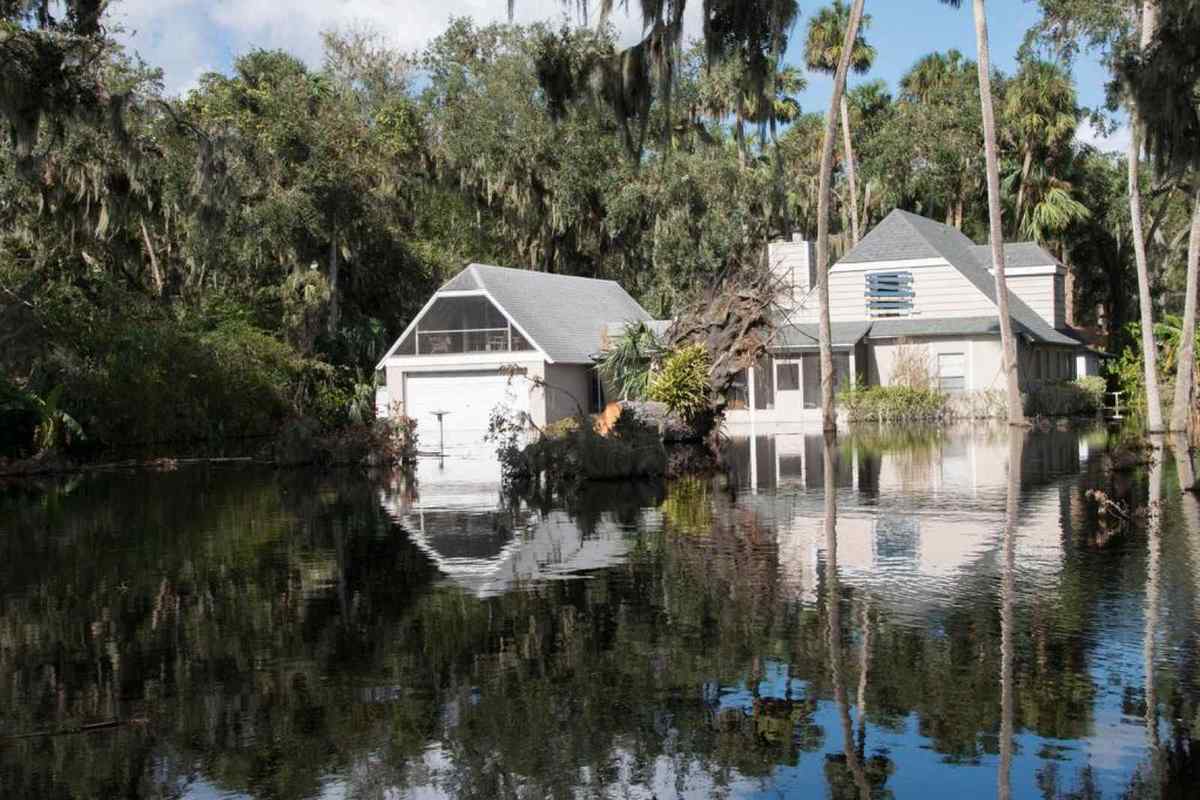
Savannah sits barely above sea level, and much of greater Chatham County borders tidal marsh. Communities on Wilmington Island and Whitemarsh Island sit on ground where the water table can be only a few feet down.
A high water table keeps soil saturated and soft. Saturated soil loses bearing capacity, meaning it can no longer hold the weight it once did. When water levels rise and fall with rainfall and tides, the support under your foundation changes constantly.
Why marsh-adjacent lots are higher risk
Properties near marsh frequently sit on organic, compressible soils or on fill placed over former wetland. Organic soils decompose and consolidate over time, producing slow, ongoing settlement that no amount of cosmetic patching will stop. Deep foundation solutions like helical pier installation and steel push pier installation bypass weak surface soil and transfer your home’s load to stable strata below.
Sandy Fill and Improperly Compacted Lots
Much of Savannah’s developed land, especially in newer subdivisions and reclaimed areas like Garden City, was built on imported sandy fill. Sand drains well, but if it was not compacted properly before construction, it continues to densify under load for years. Property owners can check their lot’s soil classification directly using the USDA NRCS Web Soil Survey, a free federal tool that maps expansive clay and sandy fill zones across Chatham County.
- Loose fill settles as it compacts, creating voids beneath slabs.
- Sand erodes and washes away when drainage is poor, undermining footings.
- Mixed fill (sand over clay) reacts unevenly to moisture, amplifying differential movement.
When voids open up under a concrete slab, the floor loses its support and cracks. We correct this with void filling and polyurethane foam injection, which lift and re-support the slab without major demolition.
Rainfall, Drainage, and Erosion
Coastal Georgia receives heavy annual rainfall, and Savannah’s flat terrain makes water management difficult. Poor drainage is one of the most preventable causes of foundation damage in Savannah.
When water repeatedly soaks the soil at the perimeter of your home, it drives the wet-dry clay cycle into overdrive right where it does the most harm: directly under the footing. Common drainage failures include:
- Gutters that dump water against the foundation instead of away from it.
- Negative grading that slopes soil toward the house.
- Downspouts without extensions, saturating one section of soil.
- Standing water in crawl spaces, common in our humid coastal climate.
Correcting grading and drainage protects the work done by any structural repair and slows future movement.
Drought Cycles and Tree Roots
Savannah swings between saturated wet seasons and pronounced dry spells. During drought, expansive clay shrinks hard, and mature trees make it far worse. The live oaks, pines, and water oaks Savannah is famous for are aggressive water seekers.
A large tree near your home can draw thousands of gallons of moisture from the soil during a dry period. As the roots pull water out, the clay beneath that side of the foundation shrinks and the structure settles toward the tree. When the rains return, the soil rehydrates and heaves back up. This cycling fatigues the foundation year after year.
Homeowners in established, tree-lined neighborhoods across Savannah and Richmond Hill see this pattern often, particularly with sprawling root systems on the same side as visible cracks.
How Soil Movement Actually Damages Your Foundation
Soil is the cause; the symptoms show up in your house. Knowing what to look for helps you catch problems early. Review the signs your foundation needs repair and understand foundation crack types before they worsen.
- Stair-step cracks in brick or block walls.
- Diagonal cracks radiating from window and door corners.
- Doors and windows that stick or no longer latch.
- Sloping, bouncing, or uneven floors.
- Gaps between walls and ceilings or where trim meets the floor.
- Cracks in a concrete slab or separation at the garage.
For slab homes, soil-driven voids and settlement are corrected through concrete slab foundation repair. For raised homes, soil movement under girders and piers calls for pier and beam foundation repair and house leveling.
What to Do About Savannah Soil Foundation Problems
You cannot change Savannah’s geology, but you can control how your foundation responds to it. The right fix depends on your soil profile, foundation type, and the severity of movement.
- Get a professional inspection. Learn what happens during a foundation inspection so you know what to expect.
- Identify the right method. Piers, stabilization, or foam each address different soil failures. See which method is best for your home.
- Fix drainage at the same time. Structural repair without water control invites recurrence.
- Understand the investment. Review typical foundation repair costs in Savannah.
Our crews have stabilized homes from the islands to Brunswick. Browse our full service areas and guides, or follow our work on Facebook and Pinterest.
What Savannah Homeowners Should Do Next
Why Savannah’s Soil Causes Foundation Problems is only useful when you read it against the local conditions that drive foundation movement in coastal Georgia. In Savannah, the same crack, slope, or sticking door can come from drainage, expansive clay, plumbing leaks, old fill, or long-term settlement. The right next step is to connect the visible symptom to the pattern around it instead of guessing from one photo or one room.
Start by documenting where the issue appears, whether it changes after heavy rain or dry weather, and whether nearby rooms show the same problem. If the movement is repeated, widening, or showing up across more than one area, the safest move is a professional inspection. That gives you elevation measurements, a cause-based diagnosis, and a repair plan that matches the home instead of forcing a one-size-fits-all answer.
- Check gutters, downspouts, and grading before assuming the structure is failing.
- Look for repeat movement after storms, not just one-time cosmetic settling.
- Take dated photos so you can compare cracks, gaps, and floor slope over time.
- Compare crawl space, slab, and exterior conditions before choosing a fix.
- Match the repair to the cause, not just the symptom you can see.
That approach keeps the work focused and usually saves money because you avoid paying for the wrong repair method. It also makes it easier to decide whether the solution is house leveling, pier installation, slab repair, soil stabilization, or a smaller corrective step. If you want a second opinion, review our related service pages and then contact Solid Foundation Repair of Savannah for a free inspection. The goal is a repair plan that fits the house, the soil, and the conditions specific to your neighborhood.
We have worked Savannah homes since 1989, so we are used to the local pattern: clay that swells after rain, soil that shrinks in dry spells, and structures that show the damage gradually. If you can describe the pattern clearly, the inspection is faster, the estimate is more accurate, and the repair has a better chance of holding up long term.
Worried About Your Savannah Foundation? Let’s Look at the Soil First.
Call Solid Foundation Repair of Savannah at (912) 642-3890 to schedule your free inspection and get an honest assessment of what the ground under your home is doing.
Frequently Asked Questions
Is the soil in Savannah, GA really bad for foundations?
Yes. Savannah’s combination of expansive clay, a high water table, sandy fill, and marsh-adjacent organic soils makes the region prone to differential settlement and heave. The soil itself is the primary driver of most foundation problems we repair locally.
Why does my foundation crack more during certain seasons?
Expansive clay swells in our wet season and shrinks during dry spells and drought. That repeated movement is why cracks often appear or widen seasonally, especially after heavy rain or a prolonged dry stretch.
Do homes near the marsh have worse foundation problems?
Often, yes. Properties near tidal marsh on Wilmington Island, Whitemarsh Island, and similar areas may sit on compressible organic soils or fill over former wetland, which can settle slowly over many years and require deep pier solutions.
Can trees cause foundation damage in Savannah?
Absolutely. Large live oaks, pines, and water oaks pull significant moisture from clay soil during dry periods, causing the ground on that side of the home to shrink and settle. Cracks often appear on the same side as a nearby mature tree.
How do I stop my soil from moving under my house?
You manage it rather than stop it entirely. Proper drainage and grading control moisture swings, while soil stabilization and deep piers transfer your home’s weight to stable soil below the reactive zone. We tailor the approach to your specific lot.
Will fixing drainage alone solve my foundation problem?
Drainage correction is essential and can slow or prevent future movement, but if your foundation has already settled, it usually needs structural repair such as piers, leveling, or void filling. Drainage protects that repair from recurring.
How much does foundation repair cost in Savannah?
Cost depends on your foundation type, soil conditions, and the method required. The best step is a free inspection so we can scope the actual work. You can also review our Savannah foundation repair cost guide for ranges. Call (912) 642-3890 to get started.
Quick Summary
Savannah soil causes foundation problems through expansive coastal clay, a high water table, and sandy fill that shifts with every wet-and-dry cycle. Clay minerals absorb water and swell — lifting footings during wet seasons — then shrink and pull support away during dry periods; because soils are heterogeneous, this differential movement cracks walls unevenly across the same structure. On Wilmington Island and Whitemarsh Island, the water table can be only a few feet deep, further reducing bearing capacity.