
Foundation Repair in Glynn County & the Golden Isles, GA
Glynn County and the Golden Isles – anchored by Brunswick – face waterfront and marsh-edge foundation challenges from tidal moisture and soft coastal soils. We serve homeowners and businesses throughout the area.
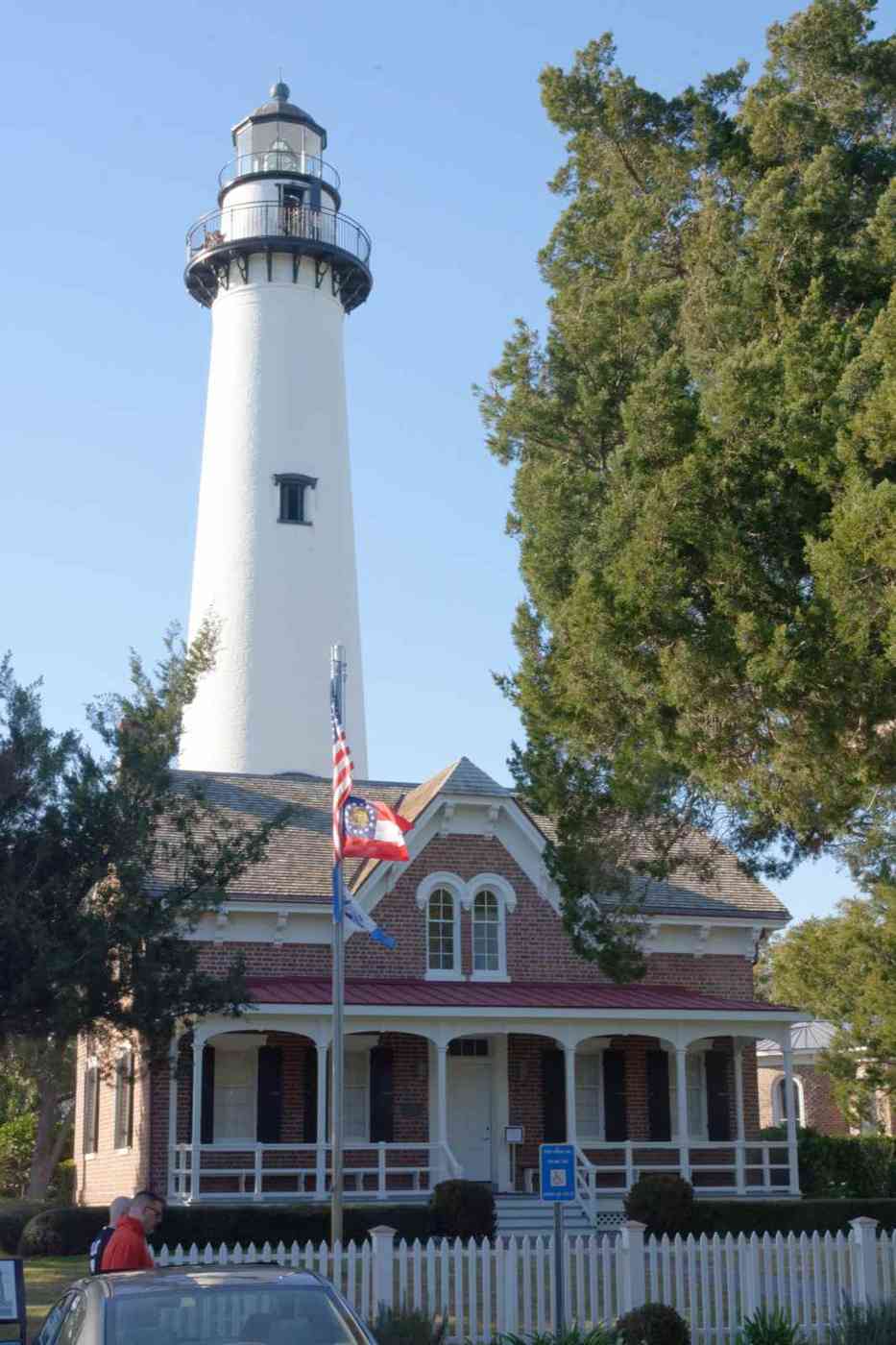
Glynn County’s Coastal Geology and High Water Table
Glynn County sits at the heart of Georgia’s Golden Isles, encompassing
Brunswick and the barrier islands of St. Simons, Sea Island, and Jekyll
Island. The region’s soil profile is dominated by fine sands and loose, poorly
graded sandy soils interbedded with organic marsh deposits, sitting atop a
shallow water table that geotechnical surveys in the Brunswick area commonly
place within two to three feet of the surface. This proximity of groundwater
to grade is a defining structural challenge for the area: soils that stay
saturated for extended periods lose bearing capacity, and loose or loosely
compacted sand layers are prone to settling unevenly under a home’s weight.
Brunswick and the surrounding marsh-fringed lowlands were historically built
on somewhat poorly drained fine sands, meaning water does not move through the
soil quickly after heavy rain, storm surge, or seasonal tidal fluctuation.
When foundation soils cycle between saturated and dry conditions, they expand
and contract, and loose sand pockets can settle further over time. The result
on many Glynn County properties is differential settlement – foundation
movement that is uneven from one side of a structure to the other, producing
sloped floors, sticking doors and windows, and cracking in slabs, brick
veneer, or masonry piers.
Because Brunswick and the islands sit low relative to sea level and adjacent
to extensive salt marsh, soil moisture conditions are rarely static. Drainage
patterns, tidal creek proximity, and marsh backwater during storm events all
contribute to fluctuating subsurface moisture that standard inland foundation
design does not always account for. Homes built decades ago, before modern
coastal engineering practices were standard, are particularly susceptible to
the compounding effects of a high water table and organic, compressible
marsh-influenced soils beneath or adjacent to the foundation footprint.
Structure-Specific Challenges Across Brunswick and the Golden Isles
Historic downtown Brunswick features a significant number of older masonry and
pier-and-beam foundations, some dating back generations. Masonry foundations
in particular are vulnerable to moisture intrusion and differential settlement
because mortar joints and brick units have little tolerance for movement; even
minor shifting in the supporting soil can translate into visible cracking,
bowing, or separation at the foundation line. Pier-and-beam and crawl space
foundations common to older Brunswick homes are also exposed to persistent
ground moisture, which promotes wood rot, fungal growth, and deterioration of
structural framing members over time if the crawl space is not properly
managed.
On St. Simons Island, Sea Island, and Jekyll Island, many homes are built
directly on barrier-island sand, a soil type that offers good drainage but
comparatively low load-bearing consistency, especially where it has been
disturbed by prior construction or erosion. Island properties also face direct
tidal exposure and, during hurricane season, storm-surge risk that can rapidly
saturate foundation soils and undermine footings, piers, or seawalls
protecting waterfront lots. Waterfront and marshfront properties throughout
the county frequently rely on seawalls and bulkheads to hold back tidal action
and marsh erosion, and when these structures deteriorate or shift, the loss of
soil retention behind them can directly affect the stability of the adjacent
home’s foundation.
Crawl space moisture is one of the most consistently reported issues across
Glynn County homes, whether in historic Brunswick neighborhoods or newer
island construction. A high water table combined with humid coastal air means
uncontrolled crawl spaces stay damp far longer than in drier inland regions,
accelerating wood rot, encouraging pest activity, and contributing to indoor
air quality problems as moist, musty air migrates upward into the living
space.
Our Approach to Coastal and Island Foundation Repair
Solid Foundation Repair Of Savannah has served coastal Georgia families since
1989, and our repair methods are selected specifically for the marsh soils,
high water table, and tidal exposure found throughout Glynn County. For homes
experiencing differential settlement, we install helical or steel push piers
driven to competent load-bearing strata below the loose surface sands and
organic soil layers, transferring the structure’s weight past the unstable
zone rather than relying on compromised native soil. For slab-on-grade
construction affected by settlement, slab stabilization and underpinning
techniques restore support without full slab replacement.
For crawl space and pier-and-beam foundations common in historic Brunswick
homes and island properties alike, we design crawl space encapsulation systems
with vapor barriers and drainage components tailored to a shallow water table,
reducing moisture intrusion, protecting framing from wood rot, and improving
conditions in the space above. Where waterfront lots depend on seawalls or
bulkheads to protect the foundation from tidal and storm-surge erosion, we
assess and stabilize these structures as part of a complete foundation
protection plan, addressing both the retaining structure and the soil-bearing
conditions behind it. Every repair plan begins with an on-site evaluation of
the specific soil, drainage, and moisture conditions at the property, because
a foundation solution suited to barrier-island sand is rarely the same one
suited to historic downtown Brunswick masonry.
Homeowners throughout Brunswick and the Golden Isles can reach our team
directly at (912) 642-3890 to schedule a foundation evaluation suited to Glynn
County’s marsh and coastal soil conditions.
Countywide we provide foundation repair, waterproofing, concrete, and masonry services.
Frequently Asked Questions
What makes foundation repair in Glynn County different from inland Georgia?
Glynn County's coastal location – encompassing Brunswick and the Golden Isles including Jekyll Island, St. Simons Island, and Sea Island – means foundations sit on saturated, low-bearing-capacity soils heavily influenced by tidal activity and high water tables. These conditions drive faster and more severe foundation settlement than typical inland Georgia soils. Contractors serving Glynn County must have specific experience with deep-pier systems and coastal waterproofing to address these soil challenges effectively.
What are the most common foundation problems seen in Brunswick and the Golden Isles?
The most common foundation issues in Glynn County include sinking concrete slabs, failing pier-and-beam post systems on older Brunswick homes, crawl space moisture intrusion, and lateral movement in retaining and seawall structures caused by tidal erosion. Seasonal flooding on the barrier islands can repeatedly saturate soils beneath slab foundations, causing them to compress and settle unevenly. Early inspection is key to preventing minor settlement from becoming a major structural failure.
How does salt air on St. Simons Island and Jekyll Island affect foundations and concrete?
The salt-laden air and occasional saltwater inundation in the Golden Isles accelerates corrosion of steel reinforcement in concrete slabs, reduces the service life of untreated masonry, and degrades mortar joints faster than in non-coastal environments. Concrete foundations and slabs on these barrier islands require waterproofing treatments and, in many cases, corrosion-resistant pier materials such as galvanized or epoxy-coated steel. Selecting the right materials for the coastal environment is essential to a durable repair.
Does Solid Foundation Repair Of Savannah serve the Golden Isles and Brunswick, GA?
Yes, Solid Foundation Repair Of Savannah serves Glynn County including Brunswick, St. Simons Island, Jekyll Island, and the surrounding Golden Isles communities. Our family-owned company has been providing foundation repair and waterproofing services in coastal Georgia since 1989, and our team has direct experience with the specific soil and coastal conditions of Glynn County. Call (912) 642-3890 to schedule a free on-site estimate.
Is a permit required for foundation repair work in Glynn County, GA?
Yes, structural foundation repair in Glynn County typically requires a building permit from the Glynn County Building and Zoning Department, and work on barrier island properties may be subject to additional environmental review depending on proximity to marshland or tidal waters. Working with a licensed and insured contractor ensures all required permits are obtained and that the work complies with local building codes. Solid Foundation Repair Of Savannah handles the permitting process as part of our service to Glynn County homeowners.
Quick Summary
Foundation repair in Glynn County, GA requires specialized knowledge of coastal soil conditions, tidal water table fluctuations, and the corrosive effects of salt air on structures throughout Brunswick and the Golden Isles. Solid Foundation Repair Of Savannah has served coastal Georgia since 1989, offering licensed and insured foundation repair solutions tailored to the unique challenges of the Glynn County environment. Call (912) 642-3890 today for a free foundation inspection and estimate.
Serving Savannah & coastal Georgia since 1989. Get a free inspection and a clear, no-pressure plan.