
Foundation Repair & Waterproofing in Chatham County, GA
Chatham County anchors the Georgia coast – Savannah and its surrounding cities sit on flat, low-lying land with a high water table, reactive clay soils, and constant coastal moisture. Those conditions drive foundation settlement, crawl space moisture, and slab movement across the county. Solid Foundation Repair Of Savannah serves homeowners and businesses countywide.
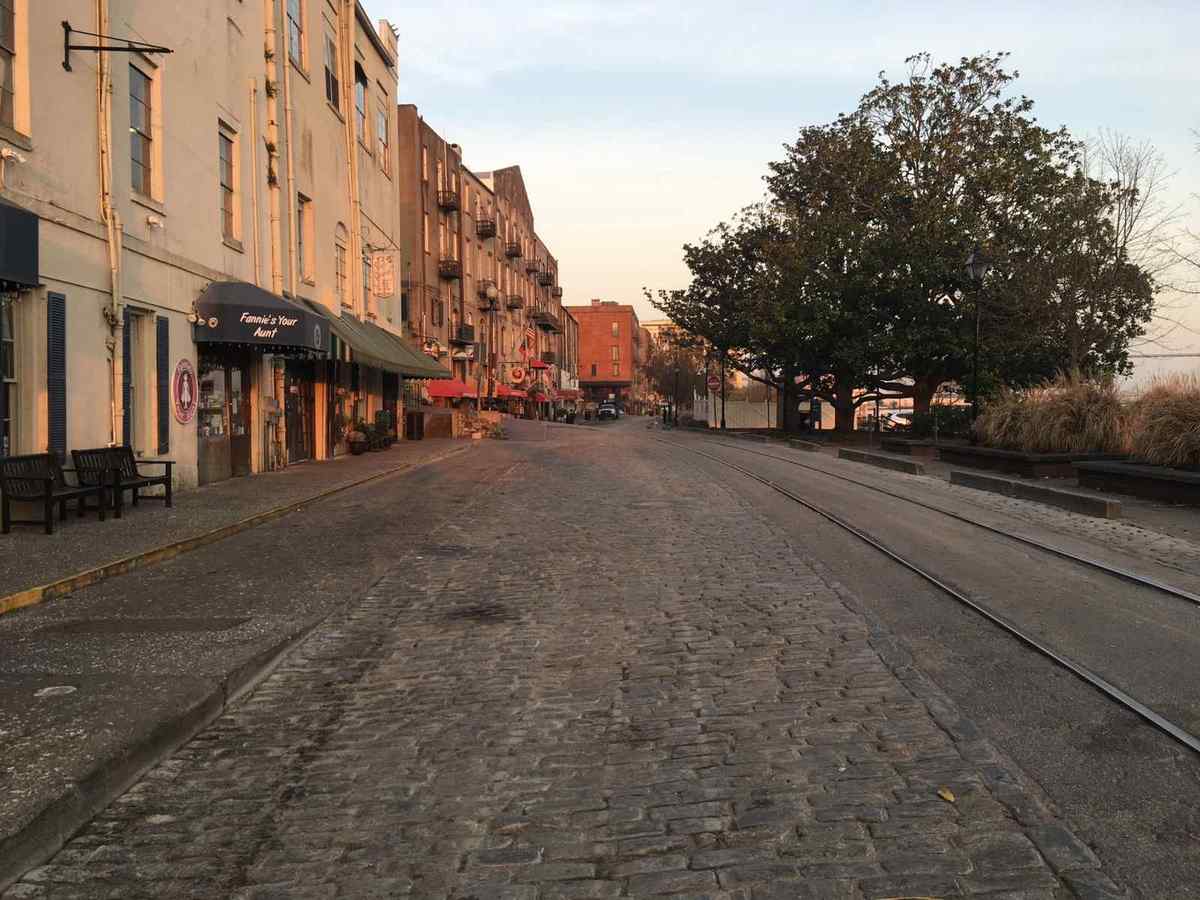
Cities We Serve in Chatham County
Why Chatham County’s Coastal Geology Puts Extra Stress on Foundations
Chatham County sits in Georgia’s coastal plain, where the land grades from the
Savannah River floodplain on the north and east down through tidal marsh and
out to the barrier islands – Tybee, Wilmington, Whitemarsh, and Skidaway. That
geography shapes what’s underneath every home. Soils here shift from soft,
compressible organic marsh muck near the water, to sandy fill on the islands
and in newer subdivisions, to dense coastal clays further inland around
Savannah, Pooler, and Bloomingdale. None of these soil types behave
consistently, and that inconsistency is exactly what stresses a foundation
over time.
A high water table is the other constant across the county. Because much of
Chatham County sits at low elevation close to the Savannah River and the
Atlantic tidal marshes, groundwater is often just a few feet below grade. Soil
that stays saturated for long stretches loses bearing capacity, and soil that
cycles between wet and dry – common with our clay pockets – expands and
contracts. That expansive clay behavior, combined with a water table that
rises and falls with rainfall and tidal influence, produces the differential
settlement patterns we see in homes throughout Savannah, Garden City, Port
Wentworth, and the surrounding communities.
Homes closer to the marsh edge or built on reclaimed or filled ground face an
added variable: fill material that was never fully compacted settles unevenly
under the weight of a structure. This is a known issue in parts of the county
where development has expanded onto historically wet or low-lying land, and
it’s one of the most common reasons we’re called out to newer homes as well as
older ones.
The Foundation Problems We See Across Chatham County’s Varied Terrain
No two areas of the county show identical foundation symptoms, because no two
areas share identical ground conditions. In historic Savannah, many structures
rest on older masonry and tabby foundations – a regional building material
made from oyster shell, lime, sand, and water. These historic foundations were
built for a different era of construction and often show cracking, mortar
deterioration, or bowing as moisture cycles through soft coastal clay and
sandy subgrade beneath them over decades of settling.
On Wilmington Island, Whitemarsh Island, and other low-lying and waterfront
areas, crawl space moisture is a persistent concern. Sandy, well-draining soil
near the coast keeps some areas drier, but proximity to tidal marsh and a
shallow water table means many crawl spaces stay damp for extended periods,
inviting wood rot, mold growth, and humidity that eventually affects floor
joists and the framing above. Waterfront properties along tidal creeks and
marsh frontage also require attention to seawalls and bulkheads, since erosion
and soil loss at the water’s edge can undermine structures set close to the
bank.
In the newer subdivisions of Pooler, Port Wentworth, and Georgetown, along
with established neighborhoods like Windsor Forest, White Bluff, and
Henderson, the more common issue is settlement tied to fill soil and slab
construction. Slab foundations poured over improperly compacted fill, or over
soil that wasn’t adequately prepared before a subdivision was built out, tend
to develop cracking, uneven floors, and sticking doors and windows as the slab
settles unevenly with the ground beneath it. Growth in this corridor – driven
by the Port of Savannah, Gulfstream Aerospace, and the broader
Hyundai-adjacent manufacturing expansion – has meant a steady pace of new
construction on ground that wasn’t always ideal for building.
How We Approach Repairs Across Every Corner of Chatham County
Because Chatham County’s soil and water conditions vary so much from downtown
Savannah to the marsh-fringed islands to the inland subdivisions, we don’t
apply a single fix to every job. For homes experiencing differential
settlement on clay or fill soil, helical piers or steel push piers are driven
to load-bearing strata below the unstable surface layer, transferring the
structure’s weight to more stable ground and allowing for controlled lifting
and stabilization of the affected foundation. This underpinning approach works
for both pier-and-beam and slab foundations, though the pier type and spacing
are selected based on the specific soil profile at each site.
For crawl space homes on the islands and in low-lying neighborhoods where
moisture is the primary driver of foundation problems, we focus on crawl space
encapsulation – sealing the space with a heavy-duty vapor barrier, controlling
humidity, and addressing drainage so groundwater and surface water are
directed away from the foundation rather than pooling beneath it. Proper
drainage work, including grading and French drain installation where needed,
is often just as important as the structural repair itself in a county where
the water table sits close to the surface.
For slab foundations affected by settlement, we use slab stabilization
techniques designed to fill voids beneath the slab and restore even support
before addressing any remaining structural movement with piering where
required. Every repair plan starts with an on-site evaluation of the home’s
specific soil conditions, water exposure, and foundation type, because a house
on filled ground in Pooler and a historic masonry structure downtown call for
genuinely different solutions. Solid Foundation Repair Of Savannah has been
assessing and repairing foundations across this coastal geography since 1989,
and that experience across Savannah, Pooler, Port Wentworth, Garden City,
Bloomingdale, and the surrounding islands informs every repair plan we put
together. Call (912) 642-3890 to schedule an evaluation.
Pooler, GA
Fast-growing west-side community on expansive clay soils.
Port Wentworth, GA
Riverside, industrial-adjacent homes near the Savannah River.
Garden City, GA
Established neighborhoods on low, moisture-prone ground.
Whitemarsh Island, GA
Waterfront and marsh-edge properties.
Wilmington Island, GA
Coastal island homes exposed to tidal moisture.
Services Available Countywide
Every Chatham County location has access to our full range of work: foundation repair, waterproofing, house leveling, soil stabilization, and crawl space encapsulation.
Frequently Asked Questions
What causes foundation problems in Chatham County, GA homes?
Chatham County foundations fail for several region-specific reasons: expansive clay soils that swell and contract with seasonal moisture changes, a high water table throughout coastal areas, tidal flooding pressure on barrier islands, and organic fill soils used in older developments that compress under load. These conditions mean Chatham County homes often experience foundation settlement earlier and more severely than inland Georgia properties.
Does Solid Foundation Repair Of Savannah serve all of Chatham County?
Yes. We serve every community in Chatham County, including Savannah, Pooler, Garden City, Port Wentworth, Bloomingdale, Georgetown, Wilmington Island, Whitemarsh Island, Tybee Island, and surrounding areas. Our team has worked throughout the county since 1989 and is familiar with the soil and structural conditions specific to each neighborhood.
How do I know if my Chatham County home needs foundation repair versus just cosmetic patching?
Cosmetic cracks are typically hairline and remain stable over time, while structural foundation problems involve widening or diagonal cracks, bowing walls, doors or windows that bind, sloping floors, or separation between walls and ceilings. A professional inspection – which we provide free of charge – is the most reliable way to distinguish cosmetic issues from problems that require structural intervention.
How long have you been doing foundation repair in Chatham County?
Solid Foundation Repair Of Savannah has been a family-owned, locally operated contractor in the Chatham County area since 1989. That longevity means we have repaired foundations in virtually every neighborhood and soil type the county offers, and our reputation in the local community is something we actively protect with every project. We are licensed and insured for residential and commercial structural work.
Do Chatham County foundation repairs require a permit?
Many structural foundation repairs in Chatham County require a building permit, particularly work involving pier installation, underpinning, or significant excavation. As a licensed contractor, Solid Foundation Repair Of Savannah handles permit applications on behalf of our customers and ensures all work passes required inspections. Call (912) 642-3890 to discuss your project and what approvals may apply.
Quick Summary
Foundation repair across Chatham County, GA requires expertise in the area's diverse conditions – from Savannah's historic district clay soils to the saturated barrier-island terrain of Tybee, Wilmington, and Whitemarsh islands. Solid Foundation Repair Of Savannah has served every corner of Chatham County since 1989 as a licensed, insured, family-owned contractor. Call (912) 642-3890 or request a free estimate today.
Serving Savannah & coastal Georgia since 1989. Get a free inspection and a clear, no-pressure plan.