
The foundation repair process follows a predictable sequence: a thorough inspection, an engineered repair plan, permitting, site prep, installation of piers or injection, controlled lifting and monitoring, backfill and cleanup, then warranty documentation and cosmetic follow-up. At Solid Foundation Repair of Savannah, we have walked Lowcountry homeowners through this exact path since 1989.
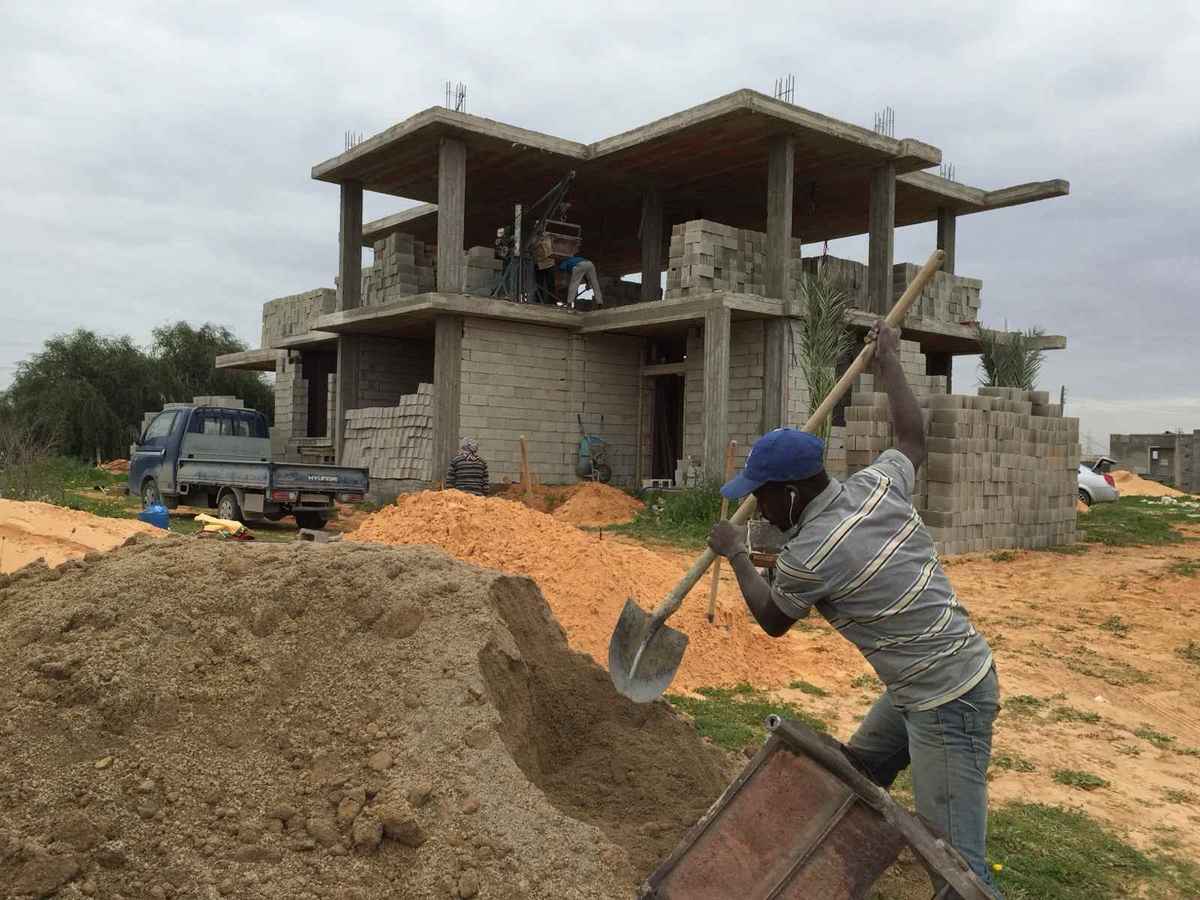
Savannah’s expansive clay soils, high water table, and seasonal swings between drought and heavy coastal rain put real stress on slabs and pier-and-beam structures. Knowing what each stage looks like removes the guesswork and helps you make a confident decision. Here is the full journey, step by step.
Step 1: The On-Site Inspection
Every repair starts with a detailed inspection. A trained specialist measures floor elevations with a manometer or laser level, documents cracks, checks doors and windows for binding, and examines the perimeter for grading and drainage issues. We look at the whole picture because a sticking door upstairs often traces back to soil movement at a corner of the slab.
If you are not sure whether you have an active problem yet, our guide on signs your foundation needs repair and the breakdown of foundation crack types in Savannah can help you read the early warning signs before the visit. For more on this stage specifically, see what happens during a foundation inspection.
What the Inspector Is Actually Measuring
The goal is to quantify movement, not just spot it. Elevation readings across the structure reveal how much a section has dropped and in which direction. That data drives everything that follows, because the right method depends entirely on how your specific home is moving and why. Our local Savannah soil and foundation problems overview explains why this region’s ground behaves the way it does.
Step 2: Diagnosis and the Engineered Repair Plan
Once we have measurements, we diagnose the root cause: settlement from soil consolidation, heave from expansive clay, voids beneath the slab, or inadequate support under a beam. We then build a written repair plan that specifies the method, the number of supports, target lift, and the scope of work. On more complex or commercial jobs, a licensed structural engineer reviews or stamps the plan.
Choosing the method is the heart of this step. Common solutions for the area include:
- Steel push piers for heavier homes that can drive to load-bearing strata. See steel push pier installation.
- Helical piers for lighter loads or limited-access spots. See helical pier installation.
- Slab piers to stabilize and lift settling concrete slabs. See slab pier installation.
- Polyurethane foam injection to raise slabs and fill voids quickly. See polyurethane foam injection.
If you want help weighing the options, read what foundation repair method is best for my home. We also document a full foundation repair cost breakdown so the estimate holds no surprises.
Step 3: Permitting and Scheduling
Most structural foundation work in Chatham County and surrounding municipalities requires a permit. We handle that paperwork and coordinate any required engineering documentation, then schedule the crew around weather windows. The Lowcountry’s wet season can affect access and soil conditions, so we plan installation dates with that in mind to protect the quality of the work.
Step 4: Site Preparation
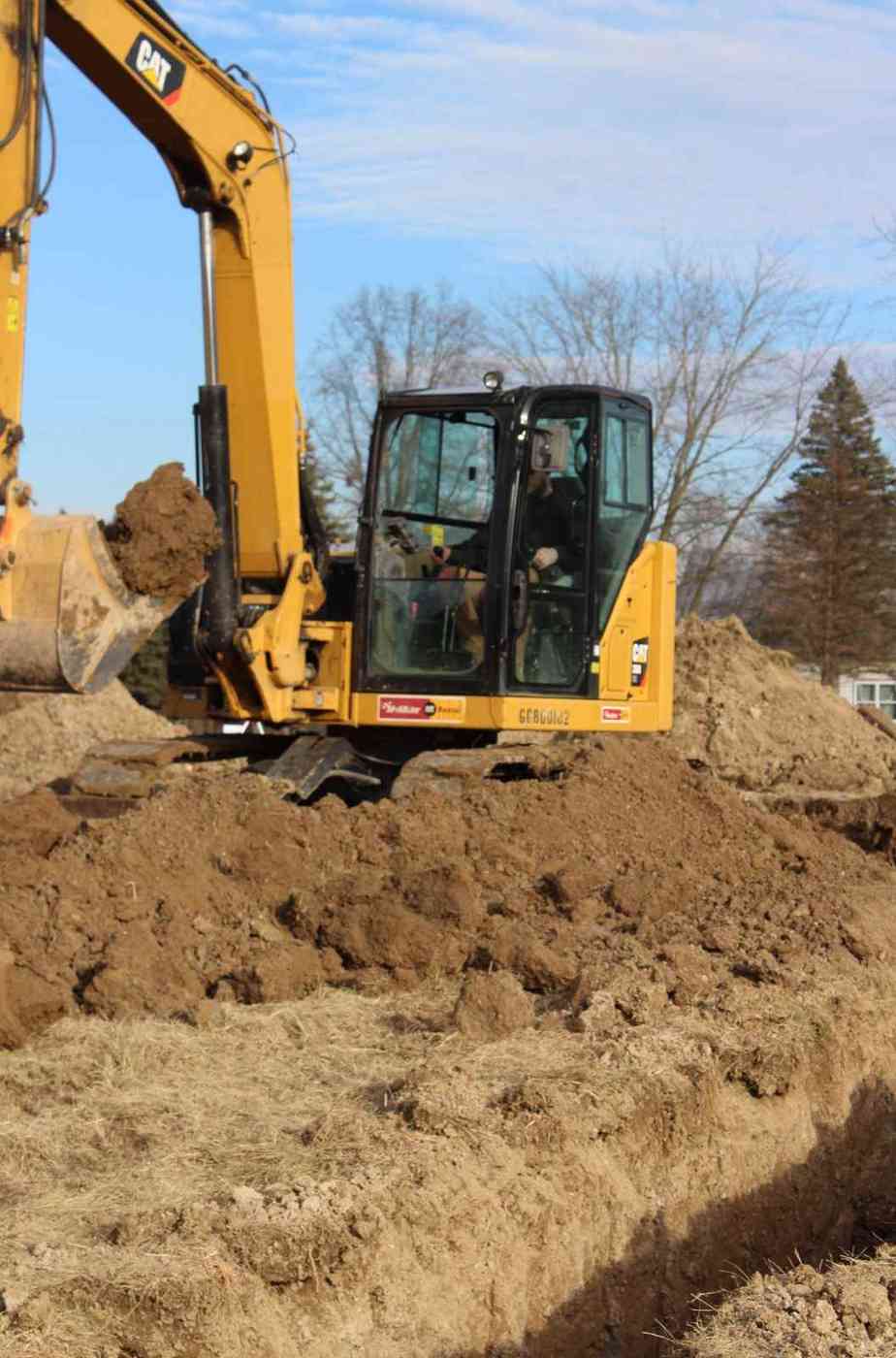
On installation day, the crew protects your property and exposes the work area. For pier work, that means careful excavation of access pits at each pier location along the foundation. For interior slab pier or foam injection work, it means small, clean access holes through the slab. We tarp landscaping, set aside soil for backfill, and keep walkways clear. Good prep is what separates a tidy job site from a mess.
Step 5: Installation by Method
This is where the engineered plan becomes physical support. The exact work depends on the chosen system:
- Push and helical piers: steel is driven or screwed down to stable load-bearing soil, then brackets transfer the home’s weight onto the piers.
- Slab piers: supports are installed beneath a settling slab to stabilize and lift it.
- Foam injection and void filling: expanding polyurethane is injected to raise the slab and eliminate gaps, often paired with void filling.
- Soil stabilization: in some cases we strengthen the supporting ground directly through soil stabilization.
For full-home corrections we may combine methods as part of broader house leveling, concrete slab foundation repair, or pier and beam foundation repair. Larger properties are handled through our commercial foundation repair service.
Step 6: Controlled Lifting and Monitoring
With supports in place, the crew lifts in small, synchronized increments while watching the manometer readings in real time. The aim is to recover as much original elevation as is safe without cracking finishes. We monitor doors, windows, and visible cracks as the structure responds. On homes with long-term settlement, we sometimes intentionally stabilize at the current level rather than force a full lift, because chasing the last fraction of an inch can do more harm than good.
Step 7: Backfill, Restoration, and Cleanup
After lift and verification, we backfill and compact the access pits, patch slab penetrations, and restore the work area. Soil set aside during prep goes back, grading is corrected to direct water away from the foundation, and the site is left clean. We walk the property with you so you can see exactly what was done.
Step 8: Warranty and Cosmetic Follow-Up
You receive documentation of the completed work along with the warranty on the installed system. Cosmetic items, such as filling drywall cracks or resetting a door, are typically addressed after the structure has settled into its new, stabilized position. Because Solid Foundation Repair of Savannah has served this market since 1989, we stand behind the work and remain reachable long after the crew leaves. Curious about timing? See how long foundation repair takes.
What Savannah Homeowners Should Do Next
The Foundation Repair Process: What to Expect is only useful when you read it against the local conditions that drive foundation movement in coastal Georgia. In Savannah, the same crack, slope, or sticking door can come from drainage, expansive clay, plumbing leaks, old fill, or long-term settlement. The right next step is to connect the visible symptom to the pattern around it instead of guessing from one photo or one room.
Start by documenting where the issue appears, whether it changes after heavy rain or dry weather, and whether nearby rooms show the same problem. If the movement is repeated, widening, or showing up across more than one area, the safest move is a professional inspection. That gives you elevation measurements, a cause-based diagnosis, and a repair plan that matches the home instead of forcing a one-size-fits-all answer.
- Check gutters, downspouts, and grading before assuming the structure is failing.
- Look for repeat movement after storms, not just one-time cosmetic settling.
- Take dated photos so you can compare cracks, gaps, and floor slope over time.
- Compare crawl space, slab, and exterior conditions before choosing a fix.
- Match the repair to the cause, not just the symptom you can see.
That approach keeps the work focused and usually saves money because you avoid paying for the wrong repair method. It also makes it easier to decide whether the solution is house leveling, pier installation, slab repair, soil stabilization, or a smaller corrective step. If you want a second opinion, review our related service pages and then contact Solid Foundation Repair of Savannah for a free inspection. The goal is a repair plan that fits the house, the soil, and the conditions specific to your neighborhood.
We have worked Savannah homes since 1989, so we are used to the local pattern: clay that swells after rain, soil that shrinks in dry spells, and structures that show the damage gradually. If you can describe the pattern clearly, the inspection is faster, the estimate is more accurate, and the repair has a better chance of holding up long term.
Ready to Start With a Free Inspection?
Call Solid Foundation Repair of Savannah at (912) 642-3890 to schedule your free inspection and get a clear, written plan for your home’s foundation.
Frequently Asked Questions
How long does the foundation repair process take from start to finish?
Most residential jobs in the Savannah area take one to three days of on-site work, though permitting and scheduling can add a week or two beforehand. Larger or complex projects run longer. Our timeline guide has specifics.
Do I need a structural engineer for my repair?
Not always. Many straightforward settlement repairs proceed on our inspection and plan, but complex, commercial, or permit-driven projects involve a licensed engineer to review or stamp the design. We arrange that when it is needed.
Will the work damage my landscaping or driveway?
We tarp and protect plantings, set aside soil for reuse, and restore the area afterward. Pier access pits and slab penetrations are backfilled and patched. Most homeowners are surprised how little visible disruption remains.
Can I stay in my home during the foundation repair process?
In most cases, yes. The work is typically exterior or limited interior access, and homes remain livable throughout. We will tell you upfront if any portion of the job calls for temporary relocation of furniture or access.
How do I know which repair method is right for my Savannah home?
The method is driven by your soil, load, and how the structure is moving, all measured during inspection. Read our method guide, and review questions to ask a foundation repair company before hiring.
What does the inspection cost?
Our inspection is free. You receive an honest assessment and, when repair is warranted, a written estimate. See how to know if your foundation needs repair for early signs to watch.
Do you serve areas outside Savannah?
Yes. We cover the broader Lowcountry, including Richmond Hill, Wilmington Island, Garden City, and Brunswick. See our full service areas.
Want to dig deeper before you call? Start with our Savannah foundation repair guide or browse all of our guides. You can also read verified customer reviews on Yelp and follow project updates on Facebook.
Serving Savannah
Solid Foundation Repair of Savannah has protected Lowcountry homes since 1989. Reach us anytime at (912) 642-3890, visit our contact page, or return to our home page to get started.
Quick Summary
The foundation repair process follows a predictable sequence: on-site inspection, engineered repair plan, permitting, site preparation, pier installation or foam injection, controlled lifting and monitoring, backfill and cleanup, and warranty documentation. Solid Foundation Repair of Savannah begins every project with a manometer or laser-level elevation survey to quantify how much a section has dropped and in which direction — data that drives the entire method selection. Savannah’s expansive clay soils, high water table, and seasonal rainfall swings require this diagnostic precision before any lifting begins.