
The most common signs of foundation problems in Savannah homes are stair-step cracks in brick or block, doors and windows that stick, sloping or bouncy floors, gaps around window frames, and water pooling near the slab. If you notice one or more of these, it is time to have the foundation inspected before the damage compounds.
At Solid Foundation Repair of Savannah, we have worked on Lowcountry homes since 1989 — from historic district masonry to slab-on-grade builds in Richmond Hill and Pooler. Our expansive clay soils swell when it rains and shrink in drought, and that constant push-and-pull is what moves foundations here. Below are the seven warning signs we see most, what each one looks like, and what it actually means for your home.
1. Stair-Step Cracks in Brick or Block Walls
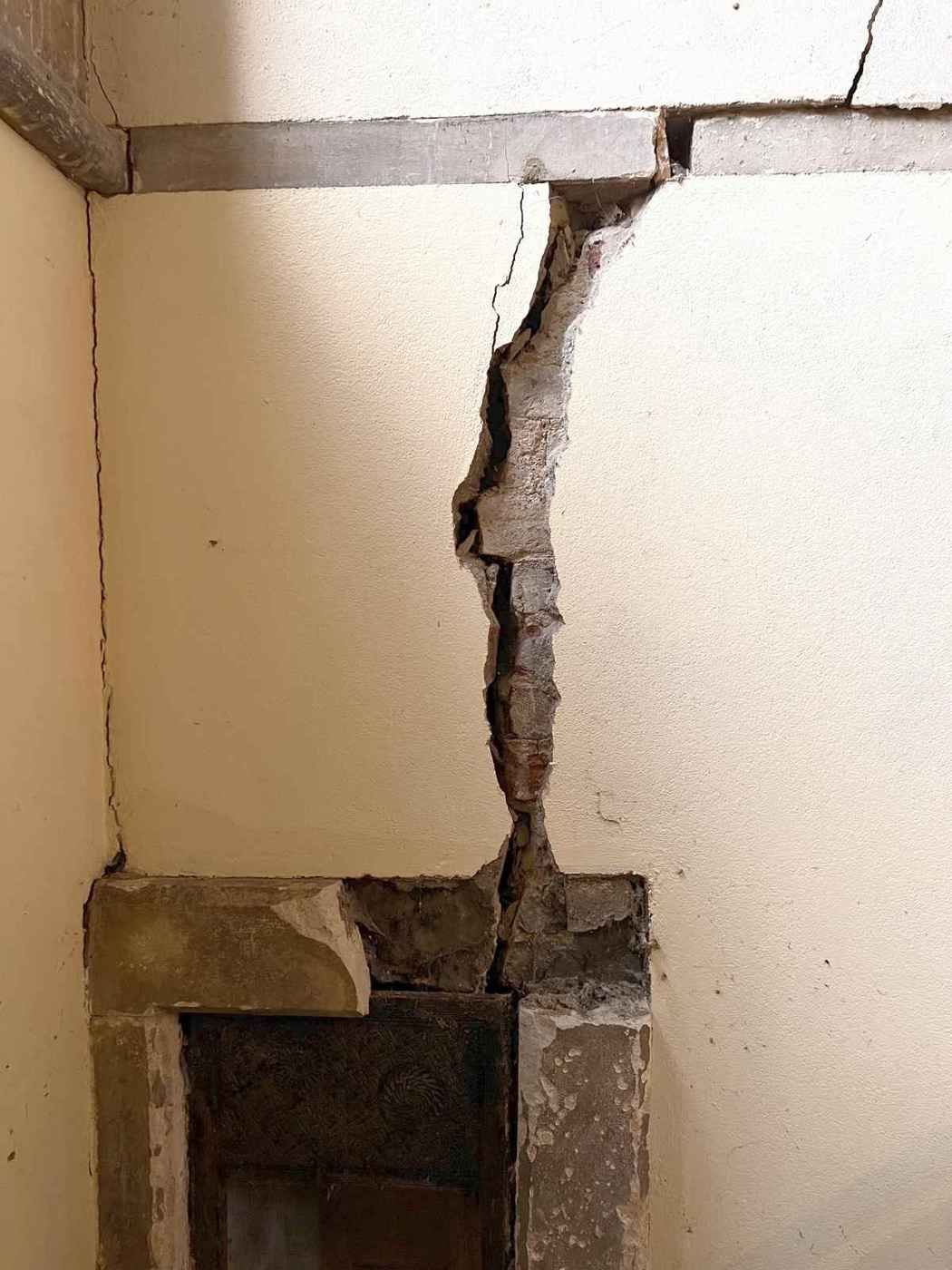
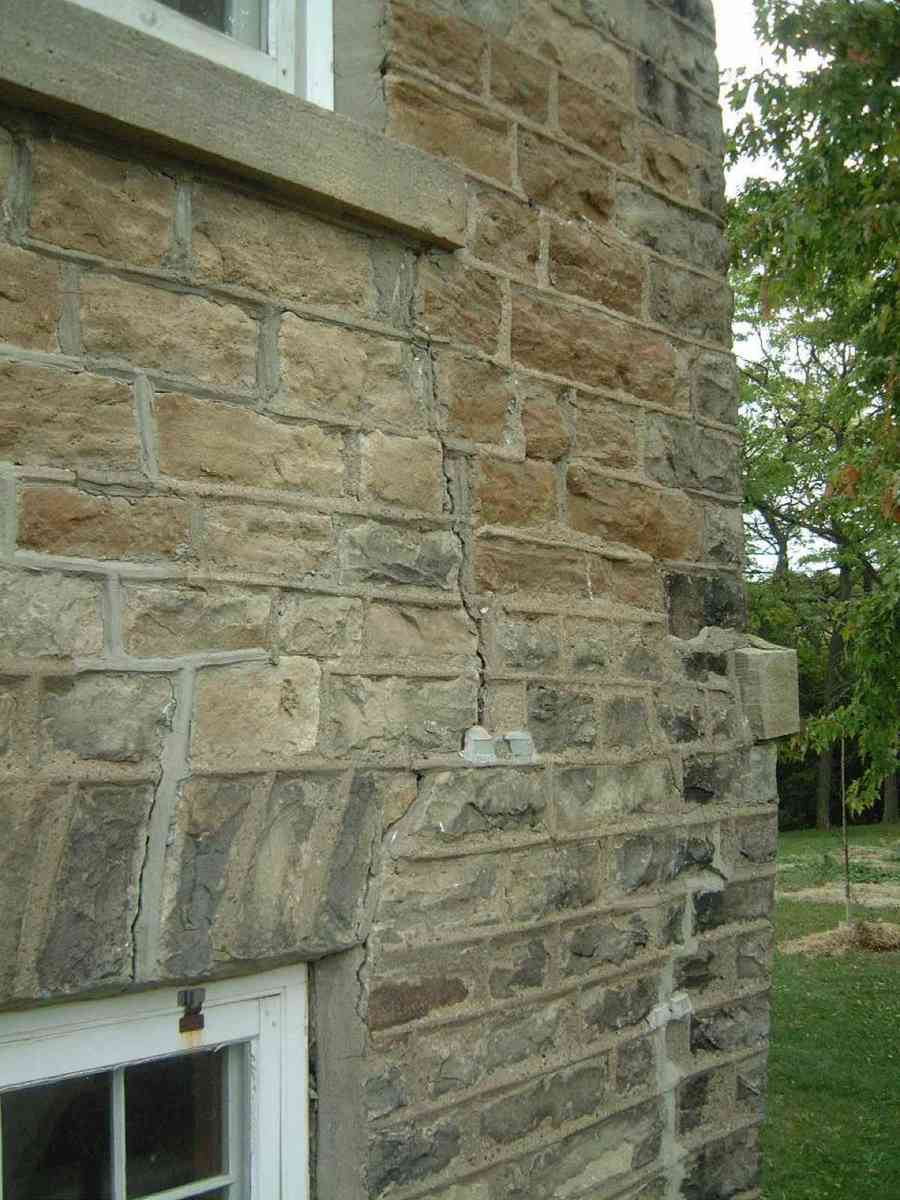
What it looks like: Cracks that follow the mortar joints in a diagonal, staircase pattern up an exterior brick wall or interior block. They are often widest at the top or bottom.
What it means: Differential settlement — one part of the foundation is dropping faster than another. In Savannah this is frequently driven by our clay-heavy soil drying out and contracting under one corner of the house. A hairline crack you can barely fit a coin into is worth watching; a crack wider than 1/4 inch usually signals active movement that needs steel push pier or helical pier support.
2. Doors and Windows That Stick or Won’t Latch
What it looks like: A door that suddenly drags on the jamb, a window that won’t slide, or visible gaps at the top corner of a door frame.
What it means: When a foundation shifts, the frame around an opening racks out of square. The door no longer fits the opening it was hung in. Humidity swelling alone can cause seasonal sticking, but if the gap is diagonal or the door swings open on its own, the frame itself has moved — a structural symptom, not a weather one.
3. Sloping, Sagging, or Bouncy Floors
What it looks like: A floor that feels like it dips toward one wall, a marble that rolls on its own, or springy spots in a pier-and-beam home.
What it means: In slab homes, a slope points to settlement under that section. In our many older pier-and-beam homes, bounce usually means failing wood supports or shifting piers in the crawl space. Either way, the floor system has lost level support.
How much slope is too much?
As a rough field guide, we measure floor deflection across a room:
- Under 1 inch over 20 feet: Often cosmetic, but worth monitoring.
- 1 to 2 inches: Active settlement likely — schedule an inspection.
- Over 2 inches: Significant movement; house leveling is usually required.
4. Gaps Around Window Frames, Doors, or Exterior Trim
What it looks like: A visible gap where the window frame pulls away from the brick, separated caulk lines, or trim that no longer sits flush against the wall.
What it means: The wall is rotating or settling away from the opening. This often appears alongside stair-step cracking and is a strong indicator of soil-driven foundation movement. Left open, these gaps also let Savannah’s humidity and rain into the wall cavity, accelerating rot and mold.
5. Cracks in the Slab, Garage Floor, or Concrete
What it looks like: Long cracks across a slab floor, a garage floor that has separated, or one slab panel sitting lower than the next.
What it means: Voids have opened beneath the concrete — usually from soil washout after heavy Lowcountry rain or erosion. Not every concrete crack is structural, but uneven slabs and trip-hazard edges respond well to polyurethane foam injection and void filling. For a deep settling slab, slab pier installation restores support. Learn to tell them apart in our guide to foundation crack types.
6. Chimney or Porch Pulling Away From the House
What it looks like: A visible gap between the chimney and the main wall, or a front porch and steps tilting or separating from the structure.
What it means: Chimneys and porches often sit on their own shallow footings. When the surrounding soil shifts, they lean or pull away independently. A tilting chimney is one of the more urgent signs — it carries weight and can become a safety hazard. This is also common where a retaining wall or seawall near the waterline has failed and let soil migrate.
7. Water Pooling, Damp Crawl Space, or Eroding Soil
What it looks like: Standing water against the foundation after rain, a musty crawl space, or visible soil washing away along the perimeter.
What it means: Water is the root cause behind most foundation problems in Chatham County. Poor drainage saturates clay, which then swells and shifts the footing. Chronic moisture also undermines support through erosion. Correcting grading and stabilizing the soil is often as important as the structural repair itself.
What Savannah Homeowners Should Do Next
7 Signs Your Foundation Needs Repair (Savannah Homeowner’s Guide) is only useful when you read it against the local conditions that drive foundation movement in coastal Georgia. In Savannah, the same crack, slope, or sticking door can come from drainage, expansive clay, plumbing leaks, old fill, or long-term settlement. The right next step is to connect the visible symptom to the pattern around it instead of guessing from one photo or one room.
Start by documenting where the issue appears, whether it changes after heavy rain or dry weather, and whether nearby rooms show the same problem. If the movement is repeated, widening, or showing up across more than one area, the safest move is a professional inspection. That gives you elevation measurements, a cause-based diagnosis, and a repair plan that matches the home instead of forcing a one-size-fits-all answer.
- Check gutters, downspouts, and grading before assuming the structure is failing.
- Look for repeat movement after storms, not just one-time cosmetic settling.
- Take dated photos so you can compare cracks, gaps, and floor slope over time.
- Compare crawl space, slab, and exterior conditions before choosing a fix.
- Match the repair to the cause, not just the symptom you can see.
That approach keeps the work focused and usually saves money because you avoid paying for the wrong repair method. It also makes it easier to decide whether the solution is house leveling, pier installation, slab repair, soil stabilization, or a smaller corrective step. If you want a second opinion, review our related service pages and then contact Solid Foundation Repair of Savannah for a free inspection. The goal is a repair plan that fits the house, the soil, and the conditions specific to your neighborhood.
We have worked Savannah homes since 1989, so we are used to the local pattern: clay that swells after rain, soil that shrinks in dry spells, and structures that show the damage gradually. If you can describe the pattern clearly, the inspection is faster, the estimate is more accurate, and the repair has a better chance of holding up long term.
Spotted One of These Signs? Don’t Wait.
Call Solid Foundation Repair of Savannah at (912) 642-3890 for a free, no-obligation foundation inspection — we’ll tell you exactly what’s happening and what it will take to fix it.
Why These Signs Matter More in Savannah
Savannah’s combination of expansive clay, a high water table, frequent heavy rain, and a stock of historic homes makes foundation movement more common here than in many parts of Georgia. Older masonry homes downtown were built before modern drainage standards, and newer slab homes in Garden City and on Wilmington Island sit on soils that move with the seasons. Catching the signs early is the single biggest factor in keeping repair costs down — see our breakdown of foundation repair costs in Savannah.
We serve homeowners across the region, including Richmond Hill, Whitemarsh Island, and Brunswick. You can see our recent projects on Instagram and read verified reviews on Yelp.
Frequently Asked Questions
How do I know if my foundation actually needs repair?
If you see two or more of the signs above — especially stair-step cracks, sloping floors, or sticking doors appearing together — it’s time for a professional look. Our homeowner’s guide on diagnosing foundation issues walks through it in detail.
Are all foundation cracks serious?
No. Thin, vertical hairline cracks in concrete are often just curing shrinkage. The concerning ones are diagonal, stair-step, horizontal, or wider than 1/4 inch, and any crack that grows over time. When in doubt, measure it and photograph it monthly.
What happens during a foundation inspection?
We measure floor elevations, document cracks, check doors and windows for racking, and evaluate drainage and soil conditions around the home. You receive a clear explanation and a written estimate. Here’s what to expect during the inspection.
How long does foundation repair take?
Most residential pier installations take two to five days depending on the number of piers and access. Larger leveling jobs run longer. See our timeline overview on how long foundation repair takes.
Will my homeowners insurance cover foundation repair?
Usually not for soil-driven settlement, which most policies exclude. Coverage may apply if the damage stems from a covered event like a plumbing leak. We explain the nuances on our page about insurance and foundation repair.
Which repair method is right for my home?
It depends on the foundation type, soil, and depth of stable strata. Slab homes often use slab and push pier solutions, while deeper settlement calls for helical piers. We help you compare options in choosing the best foundation repair method.
Does foundation repair increase home value?
Yes. A documented, warrantied repair removes a major buyer objection and protects your equity. More on that here: does foundation repair increase home value. To get started, contact us or browse our full foundation guides and service areas.
Quick Summary
The most common signs of foundation problems in Savannah homes are stair-step cracks in brick or block, doors and windows that stick or won’t latch, sloping floors, gaps around window frames, and water pooling near the slab. Savannah’s expansive clay swells when it rains and shrinks during drought, causing differential settlement that racks door frames out of square. A stair-step crack wider than one-quarter inch typically signals active movement requiring steel push pier or helical pier support.